Amol B
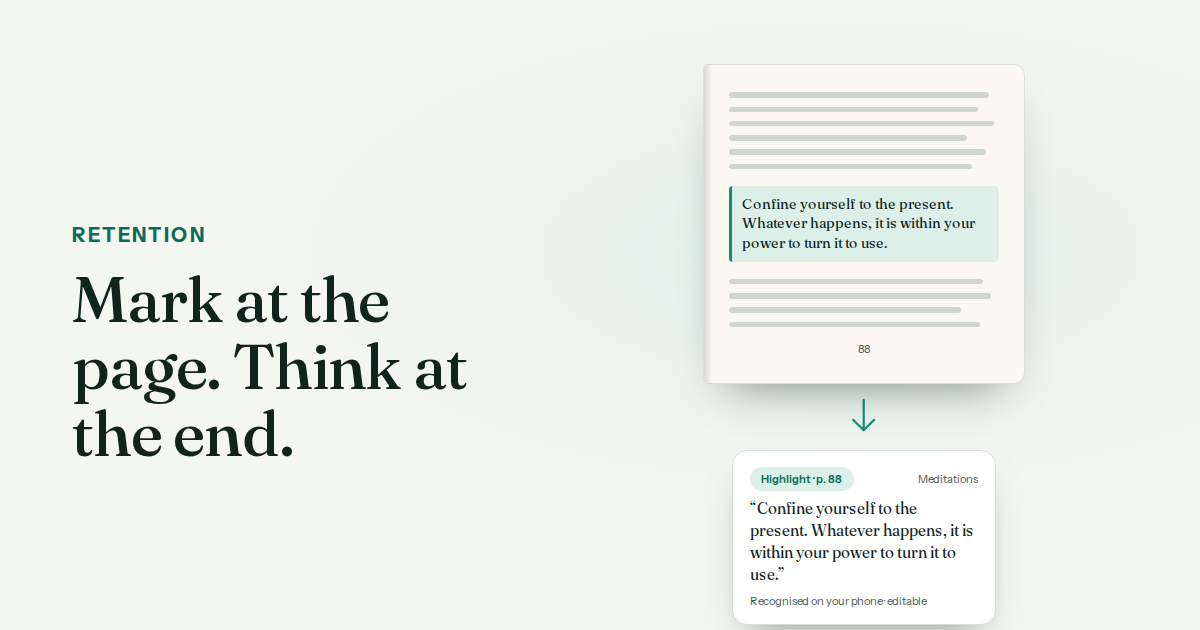
Why does note-taking kill the reading?
Because it interrupts. Every time you stop to write a paragraph, the book's momentum resets and the voice in your head changes from the author's to your own. Do that every few pages and a novel becomes a text you are processing rather than a story you are in. Non-fiction tolerates it better, but even there, notes taken during a first read tend to record what the author said rather than what you thought, because you do not yet know what mattered.
Three methods, compared
| Method | When | Cost while reading | What you get | Weakness |
|---|---|---|---|---|
| Margin marks | At the page | 2 seconds | A map of your reading inside the book | Stays in the book unless copied out; not for borrowed books |
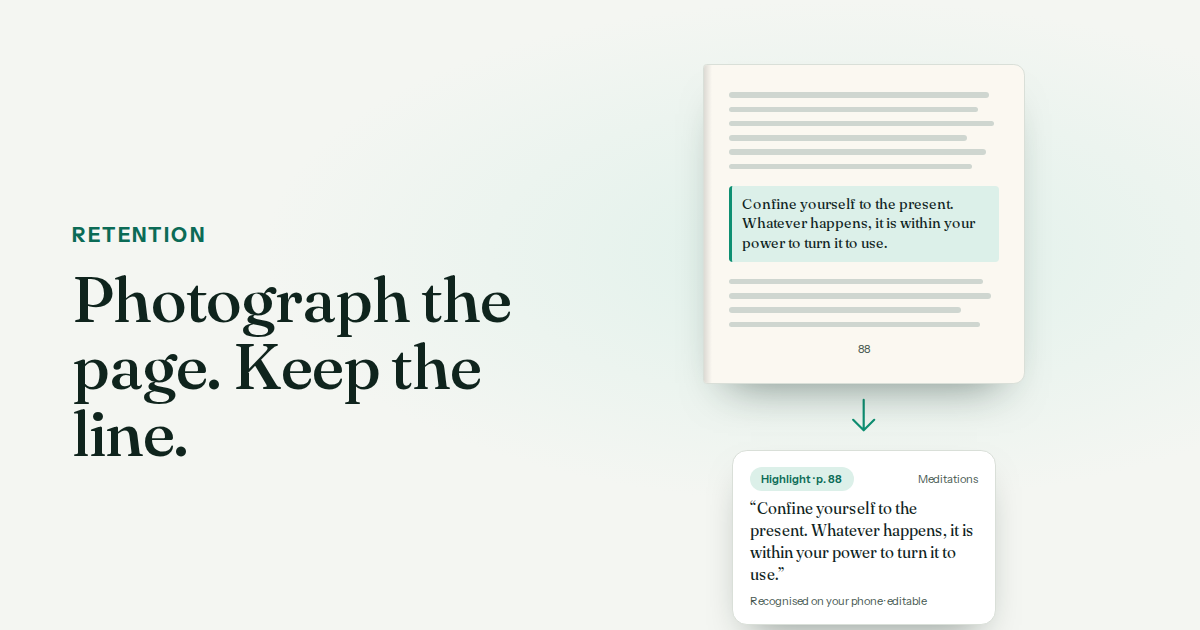
| Capture at the page | At the page | 5–10 seconds | The passage as text, with the page, searchable | Needs a phone within reach |
| Notes at the end | Within a day of finishing | None | What you actually thought, once you know what mattered | Needs the marks or captures to work from |
The methods are not rivals. The first two feed the third: marks or captures during the book, thinking afterwards. What to avoid is the fourth method — the running commentary, a paragraph every few pages — which is expensive during and rarely reread after.
The ten-second rule
Any note taken during the book should take under ten seconds: an underline, a tab, a word in the margin, a photograph. If you find yourself writing a paragraph, you have found something worth a real note — tab the page, keep reading, and write the paragraph at the end when you can see it in context. This rule alone is the difference between readers who take notes for a lifetime and readers who take notes for a month.
What to record — fiction versus non-fiction
| During | After | |
|---|---|---|
| Fiction | The sentences that stop you; the scene you will want to reread; a character's name if you keep losing it | What it was about (underneath the plot); one line on what you took; who you would give it to; reread — yes/no/when |
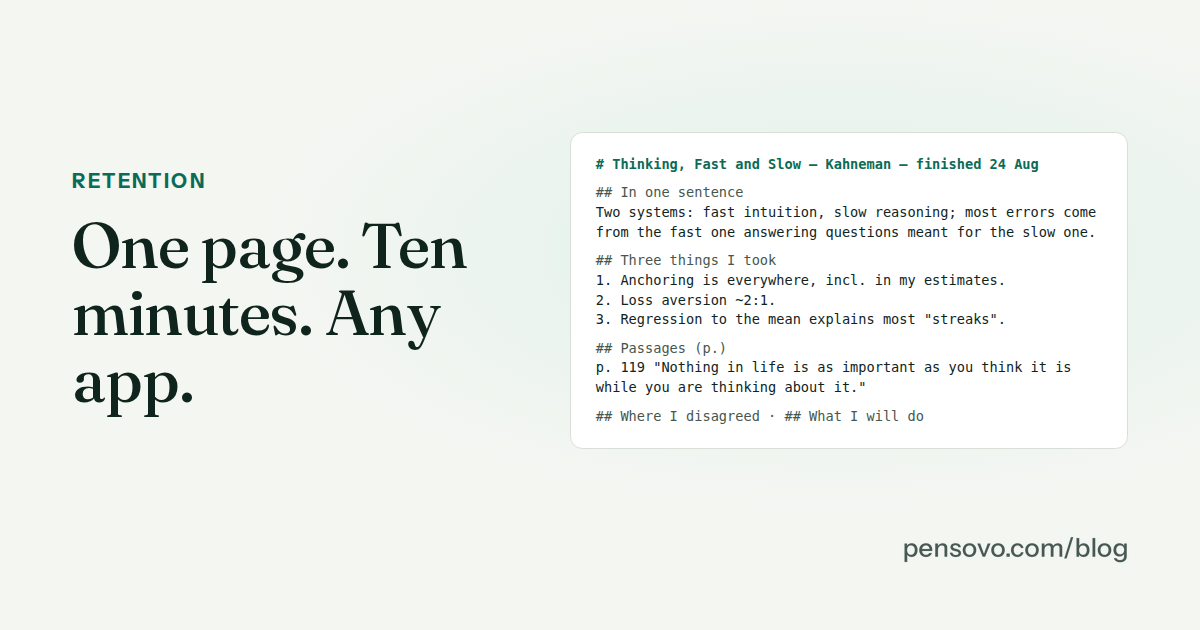
| Non-fiction | Claims you doubt; passages that explain something; the one example that made it click | The argument in one sentence; three things you took; where you disagreed; what you will do |
Fiction needs less. A novel with a hundred marks is a novel you were not reading; five passages and a line at the end is plenty. Non-fiction earns more marks during and a proper page at the end, and the book notes template gives that page a shape.
How do you take notes on a book you can't write in?
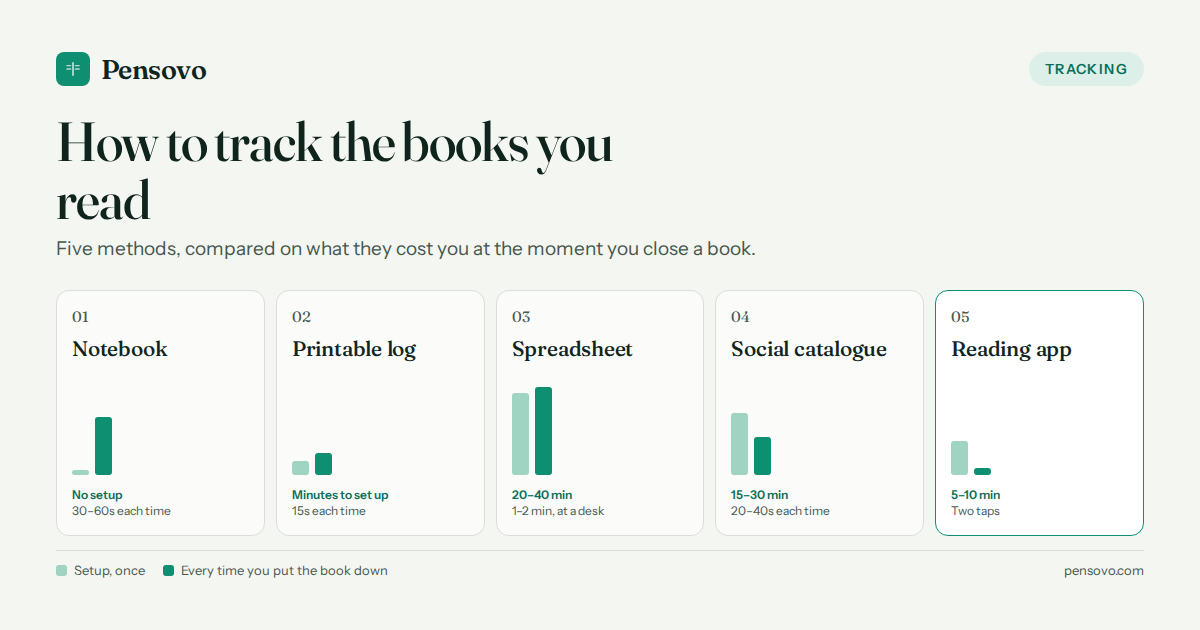
Removable tabs while reading, then photograph the tabbed pages before the book goes back — or photograph as you go, so the passage is saved as text with its page and there is nothing to do on the last day. The separate guide covers the five methods for library and borrowed books.
Where should the notes live?
With the book, findable from its title in two years. A tracker with notes on each book, a notes app with a page per book, or the inside back cover of the copy you own. Notes filed by date are notes you will not find; notes filed under the book are the book's memory.
Common questions
Should I take notes while reading fiction?
Lightly: mark the sentences that stop you and write one line at the end. Heavy notes turn a novel into homework and are rarely reread.
How do I take notes on a book without stopping every page?
The ten-second rule: an underline, a tab or a photograph at the page, and nothing longer until the book is finished.
What should book notes contain?
During: passages with page numbers. After: the book in one sentence, three things you took, where you disagreed, and what you will do or who you would give it to.
Is it better to take notes during or after reading?
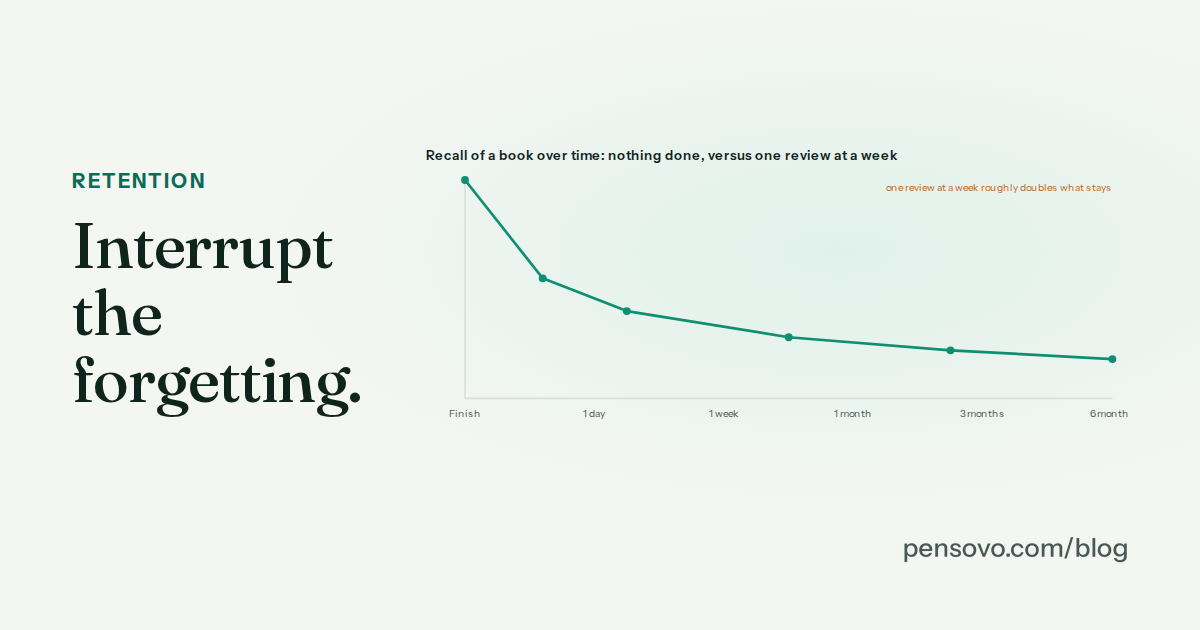
Both, in different sizes: seconds during, ten minutes after. Notes written during a first read record the author; notes written after record you.
How do I take notes on a library book?
Removable tabs while reading, then photograph the tabbed pages before returning it — or photograph as you go so the passages are saved as text with their page numbers.
Where should I keep my book notes?
With the book — a tracker's book page, a notes page per title, or the inside back cover. Filed by date, they are lost; filed by book, they are the book's memory.