Amol B
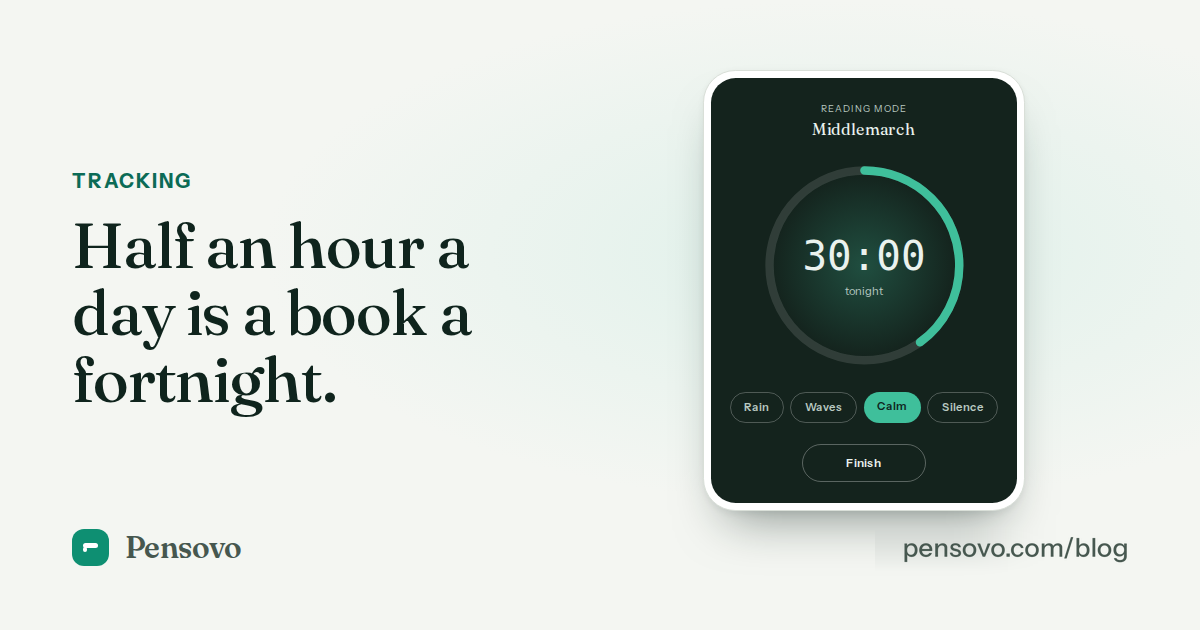
Why track minutes instead of pages?
Three reasons. Formats: a page is meaningless for an audiobook and slippery for an ebook. Density: twenty-five pages of a thriller is half an hour; twenty-five of a philosophy text is an evening, and a pages goal punishes the harder book. Fairness to yourself: a minutes goal measures the thing you control — showing up — rather than the thing the book controls, which is how long its pages take.
Keep logging the page too. Position is how you pick the book up tomorrow; minutes are how you judge the week.
Three ways to track reading time
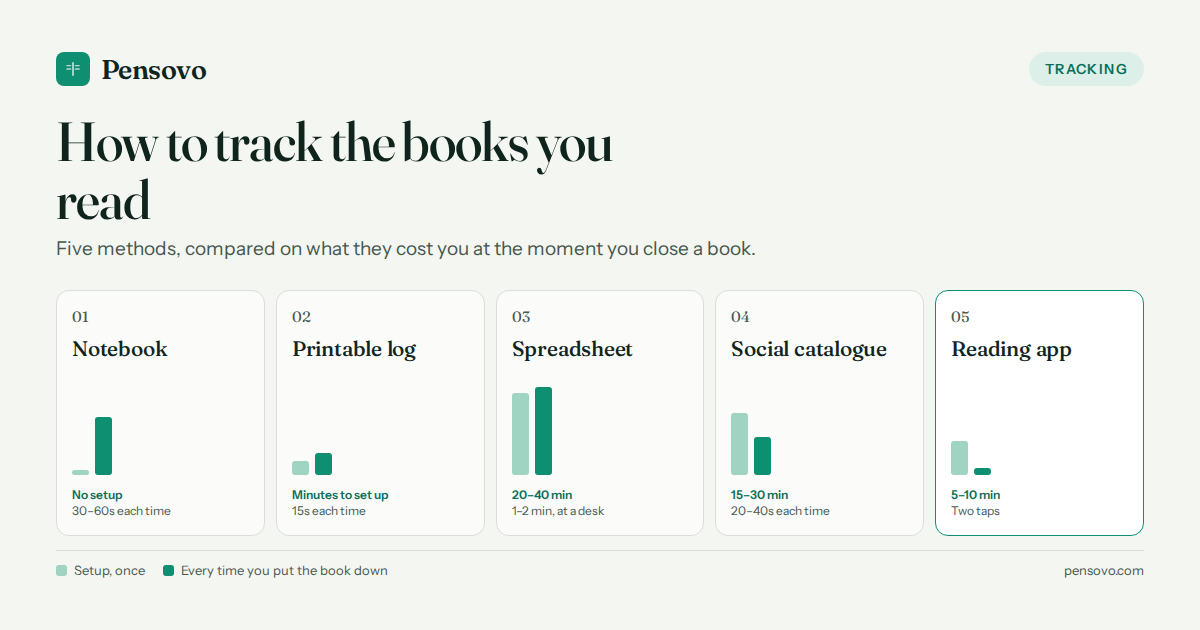
| Method | Effort | Accuracy | Best for |
|---|---|---|---|
| Session timer in a tracker | Two taps | High | Anyone; also counts audio and sitting with a book |
| Stopwatch plus a note | Three steps | High | Paper journal keepers |
| Estimate from pages | None extra | Rough; drifts upward | Print-only readers who already log pages |
How many minutes a day should I read?
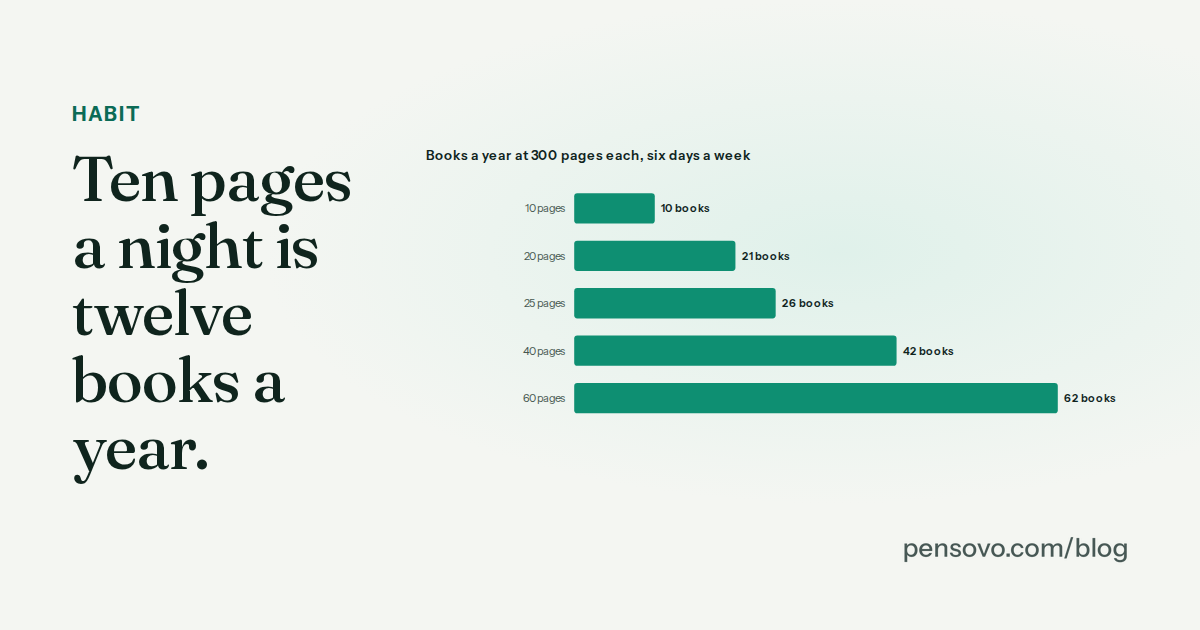
Ten as a floor, thirty as a target. Ten minutes is the amount you can do in a hotel bed after a fourteen-hour day, and it keeps the streak alive. Thirty is where the year-end number starts to surprise you. An hour is a book a week and needs a protected slot. Match the target to your goal with the pages-a-day calculator, which also works in minutes.
What does a reading-time log tell you?
More than a page log. After a month you can see when you actually read (evenings, mostly, but the Sunday morning slot is your longest), how long a session lasts before you drift (twenty-two minutes, say), and which books held you for an hour and which you left after ten minutes. That last one is a taste test no rating gives you: the books you kept reading are the books you liked, whatever you told yourself.
Do reading sessions count if I didn't log a page?
Yes. Sitting with a book for twenty minutes is reading, whether or not you know the page you reached. A session-based tracker counts the day from the timer; you can add the page later or not at all.
Common questions
Is it better to track pages or minutes?
Minutes for goals and habits, pages for knowing where you are in the book. Minutes are fair across audio, ebooks and dense print; pages are not.
How many minutes a day should I read?
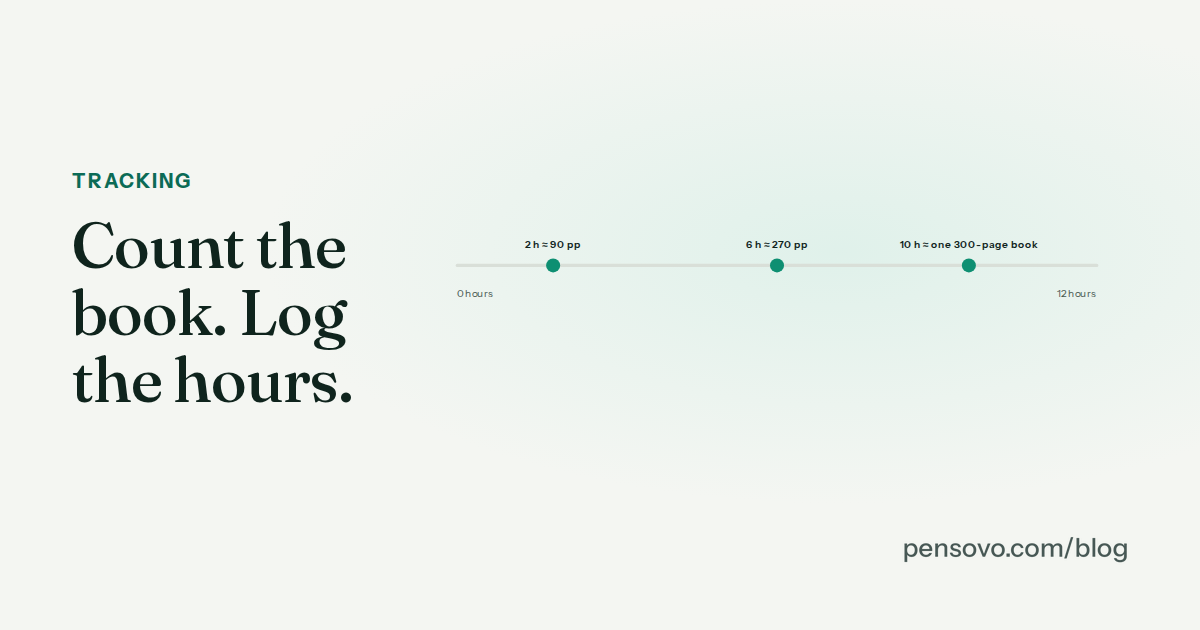
Ten as a floor that keeps the habit, thirty as a target. Thirty minutes a day is about twenty-four 300-page books a year.
How do I track reading time on paper books?
A session timer in a tracker app, or a stopwatch and a line in a notebook. Estimating from pages works but tends to overstate.
Does a reading session count if I fell asleep?
Count the minutes you were awake and reading. The habit is honest minutes, not the timer's total.
Can I track audiobook time the same way?
Yes — start the timer when you press play. Minutes are the unit that makes audio and print comparable.
What is a good reading session length?
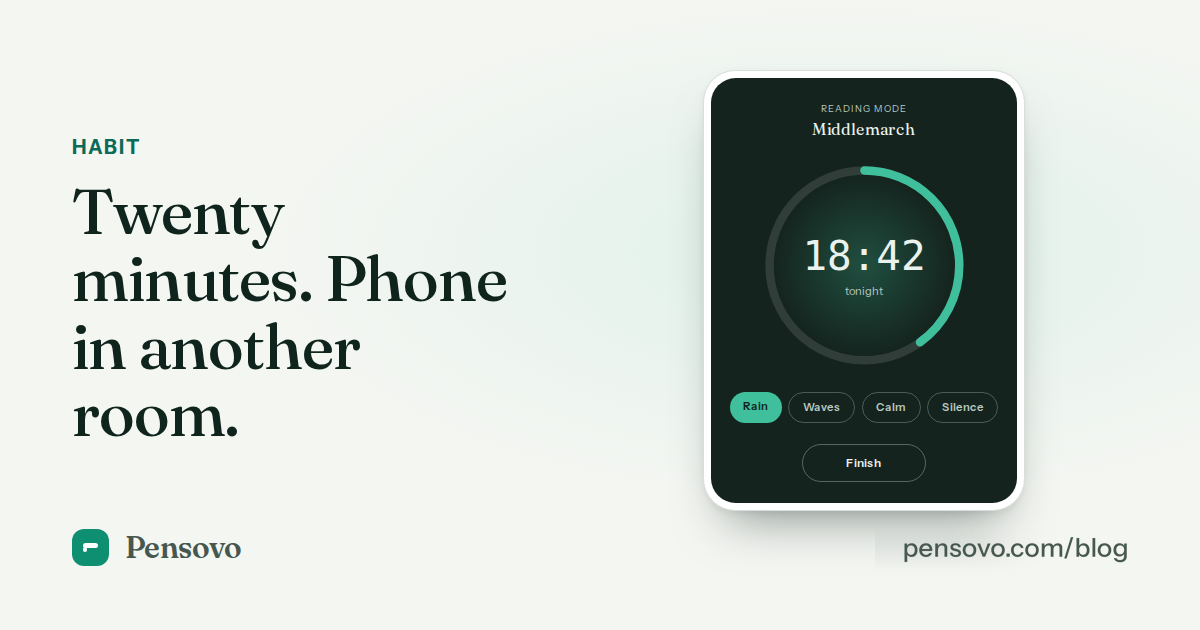
Twenty to forty minutes for most adults. Two twenty-minute sessions with a break beat one fading hour.